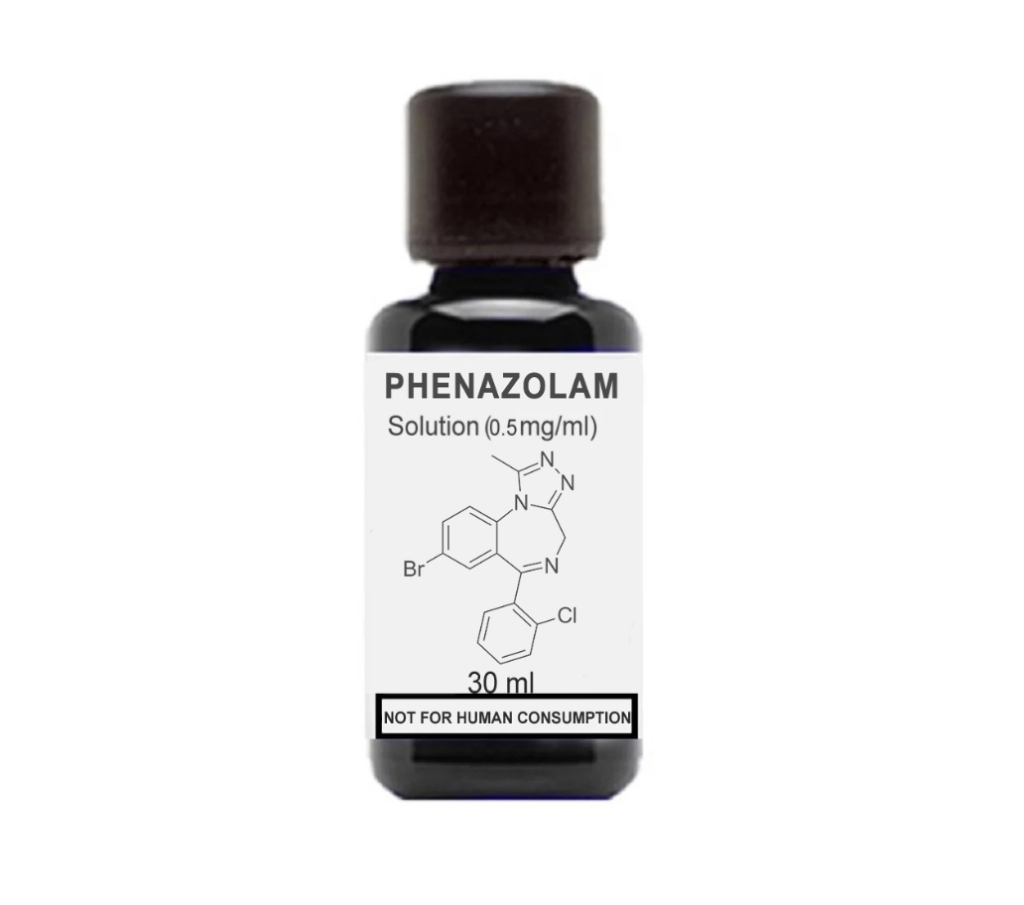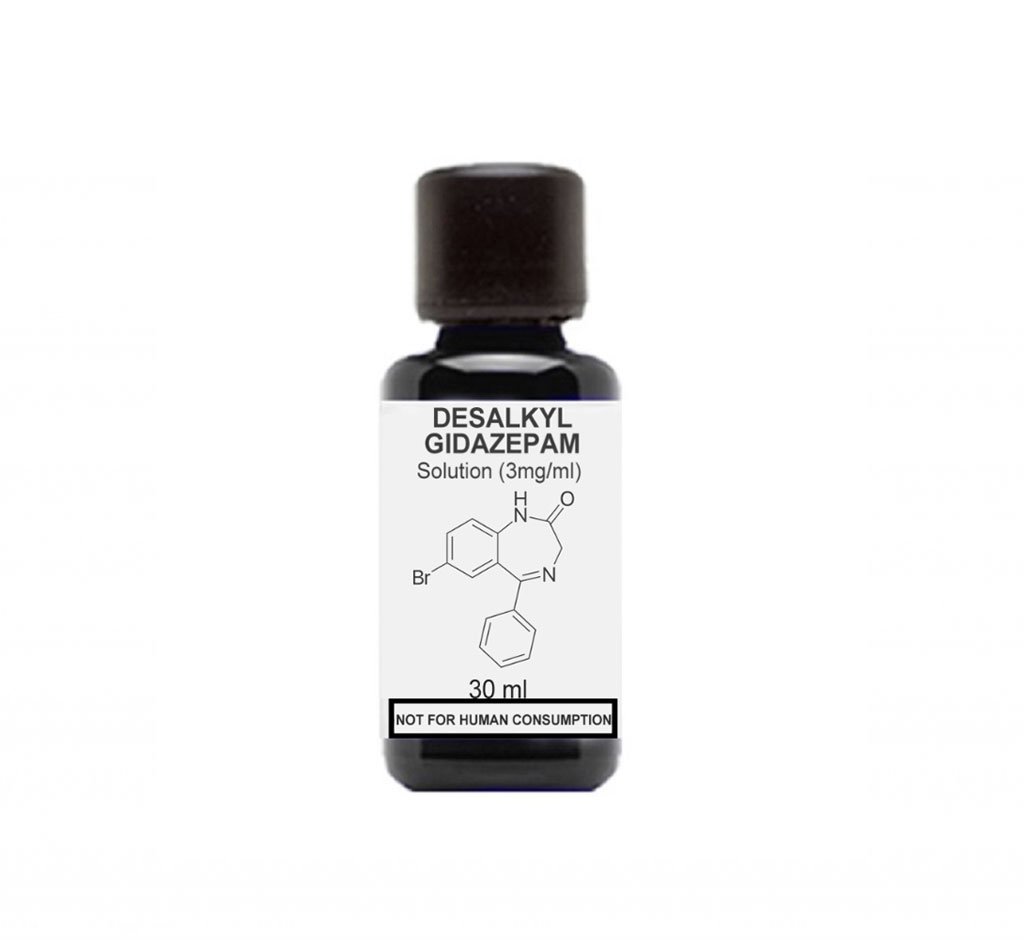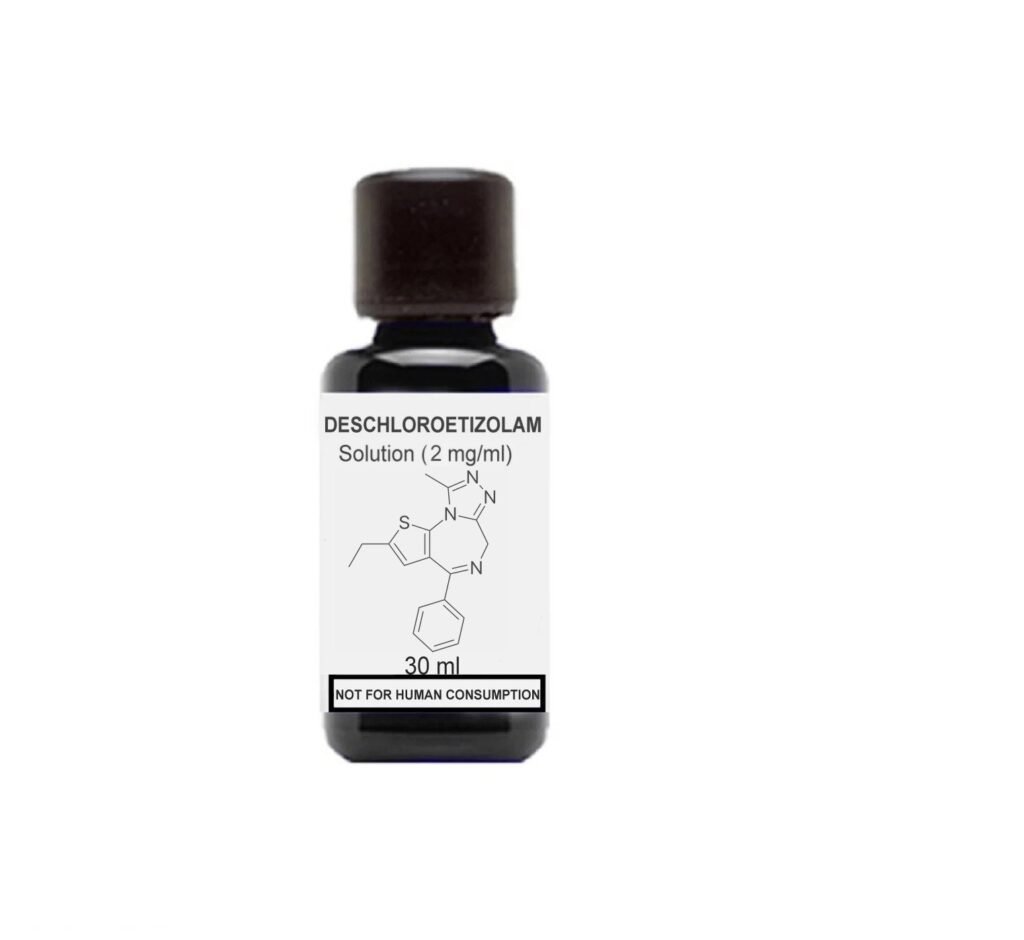

Description
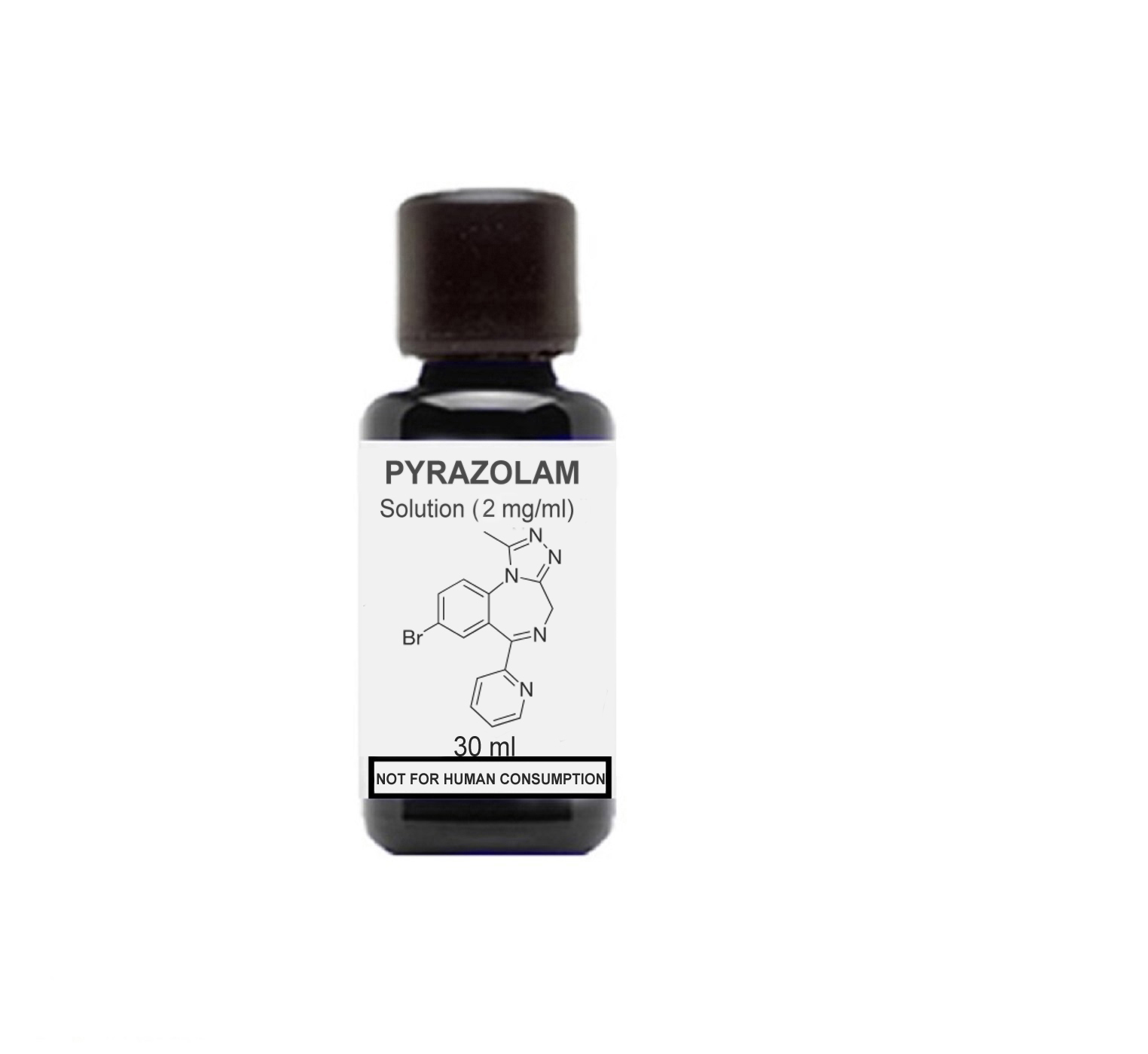
Pyrazolam 2mg/ml – Research Information and Chemical Overview
Subheading
An informational overview of Pyrazolam 2mg/ml, its chemical characteristics, research applications, and responsible handling considerations.
1. Humanized Long Product Description
Pyrazolam 2mg/ml is a benzodiazepine-derivative compound that has attracted interest within scientific and analytical communities due to its pharmacological profile and structural relationship to other compounds in the benzodiazepine class. It is primarily discussed in the context of chemical analysis, receptor-binding studies, and broader investigations into central nervous system (CNS) modulation.
Pyrazolam is not an approved over-the-counter product, and its legal status varies considerably depending on the country or region. Researchers and institutions interested in studying this compound should always ensure compliance with local laws, regulations, and ethical standards.
What Is Pyrazolam 2mg/ml?
Pyrazolam is a triazolobenzodiazepine analogue that has been described in scientific literature and analytical reports for its affinity toward receptors associated with inhibitory neurotransmission in the brain. A 2mg/ml formulation refers to a liquid preparation containing 2 milligrams of the compound per milliliter of solution.
Within research settings, such preparations may be utilized for analytical measurements, chemical characterization, and receptor interaction studies. Information regarding its pharmacological properties continues to evolve, and data remain limited compared with approved prescription medications.
How It Works
Like other compounds in the benzodiazepine family, Pyrazolam has been studied for its interaction with the gamma-aminobutyric acid (GABA) system, particularly receptor complexes involved in inhibitory signaling in the central nervous system.
Researchers investigating benzodiazepine-type compounds often examine:
- Receptor affinity and selectivity
- Chemical stability
- Structure-activity relationships
- Metabolic pathways
- Comparative pharmacological characteristics
The available scientific literature remains limited, and many aspects of Pyrazolam’s pharmacology have not been fully characterized in controlled human studies.
Benefits and Advantages in Research Contexts
From an analytical and scientific perspective, Pyrazolam may be of interest for:
- Benzodiazepine receptor studies
- Analytical reference investigations
- Pharmacological comparison research
- Structure-activity relationship analysis
- Chemical identification and validation studies
Its inclusion in scientific discussions primarily relates to its unique structural properties and receptor interactions rather than approved therapeutic applications.
Safety and Responsible Usage Considerations
Responsible handling is essential when dealing with any potent research chemical. Researchers should:
- Follow institutional safety procedures.
- Wear appropriate protective equipment.
- Store materials securely.
- Maintain accurate documentation.
- Observe all local regulatory requirements.
Pyrazolam should not be represented as an approved therapeutic product, and its safety profile in humans has not been comprehensively established.
Longevity and Storage Life
Chemical stability may depend on formulation, storage conditions, and packaging materials. In general, laboratory compounds should be:
- Stored in tightly sealed containers.
- Protected from excessive heat and direct sunlight.
- Kept in cool, dry environments.
- Used within the manufacturer or supplier’s recommended shelf-life period.
Proper storage practices help maintain product integrity and analytical reliability.
Ingredients / Composition
- Active compound: Pyrazolam
- Concentration: 2mg/ml solution
- Carrier solvents and excipients: formulation dependent and supplier specific.
Research Applications
Potential areas of scientific interest include:
- Analytical chemistry
- Forensic toxicology
- Receptor-binding studies
- Pharmacological investigations
- Structure-activity relationship research
Additional educational resources and scientific information can be found on your homepage: